


Mumyoi Ware
Sado City, Niigata
Recommended by
Kitamae Bune Organization for Japan Regional Exchange
Movie“JAPAN SUI COLLECTION” Introduction video “Mumyoi Ware”

Red Earth Diamond: A Gem-Like Luster Shaped by an Island of Gold
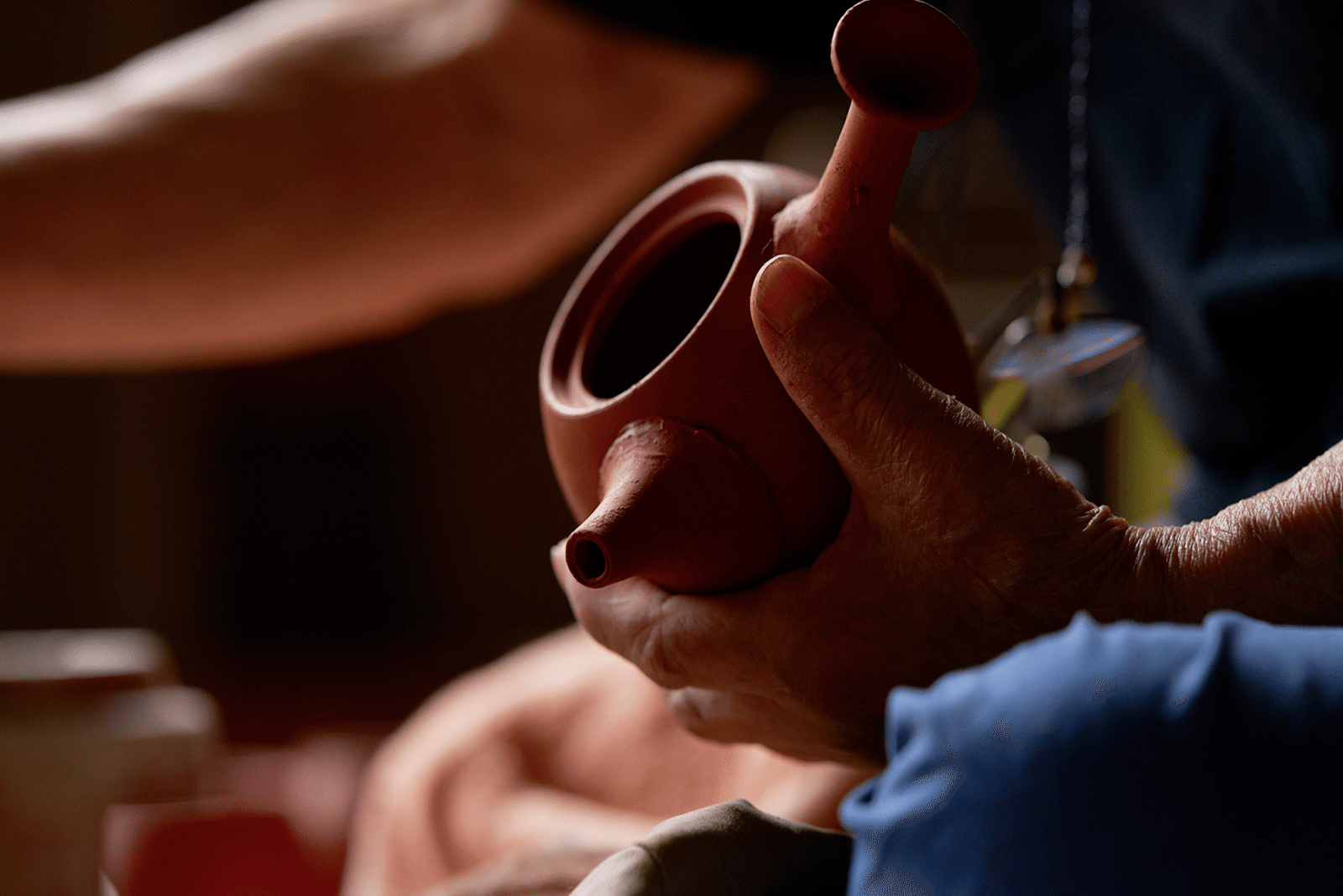
Mumyoi Ware is a distinctive type of pottery produced by firing Mumyoi clay, a reddish-brown, iron oxide–rich material obtained from the foothills of the Sado Gold Mine, at high temperatures. The finished pieces resemble freshly unearthed red earth and have a dense, smooth texture that feels as if it clings to the fingertips. The primary appeal of Mumyoi ware is its scarlet surface, which becomes increasingly polished and mirror-like with continued use.
HistoryA Story That Blossomed Beside Sado Gold Mine
Mumyoi Ware is a pottery tradition that has been passed down for over 200 years on Sado Island, Niigata. The tradition began in 1819, when Ito Jinpei used Mumyoi clay from local mines to make raku. In 1857, Ito Tomitaro established the foundation of the craft by introducing high-temperature firing (honyaki). During the Meiji period, artisans such as Miura Jozan and Ito Sekisui further improved the quality and developed durable ceramics fired at high temperatures, drawing inspiration from China’s Yixing ware. As a result, Mumyoi Ware became highly regarded as an art craft.
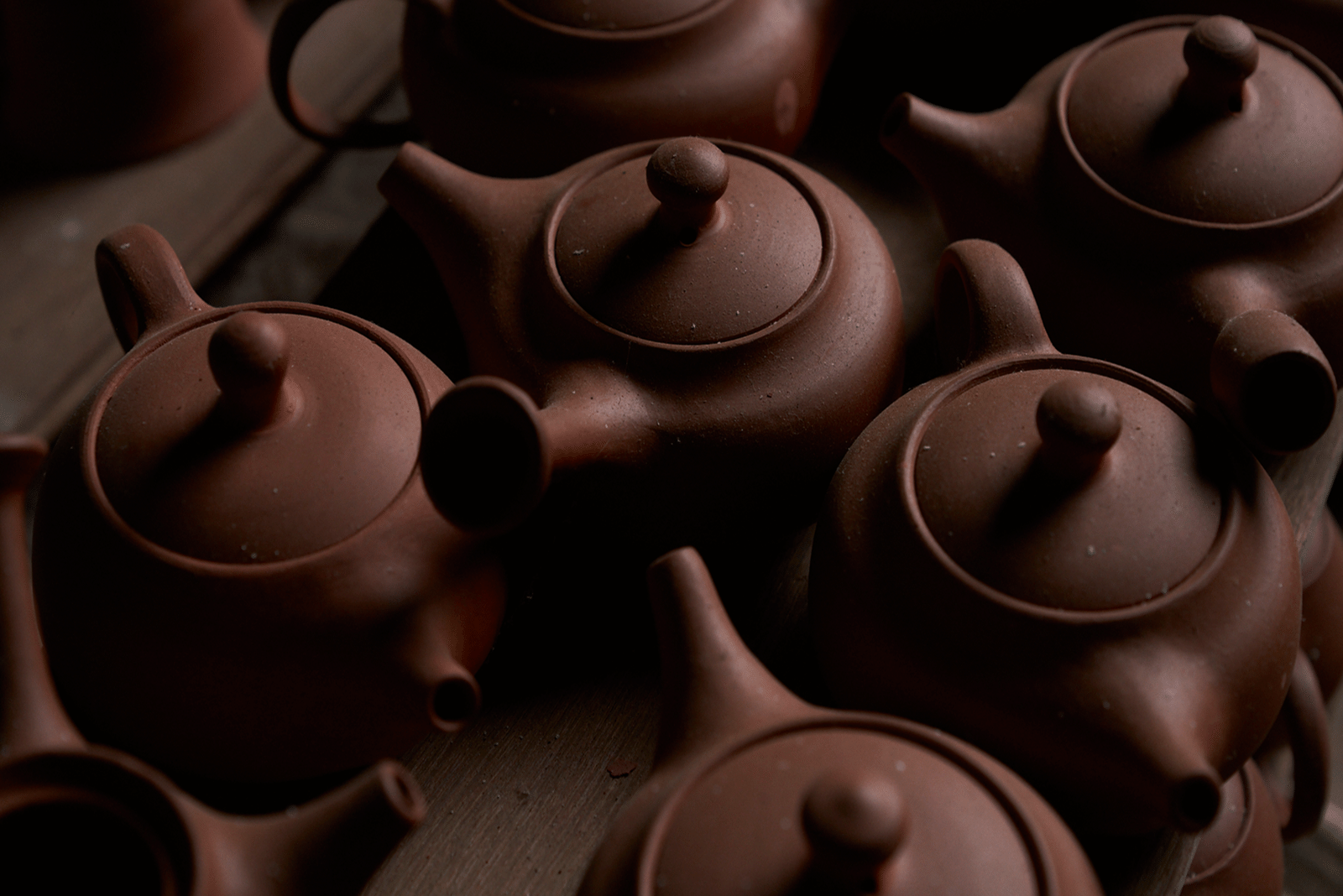
Formed from soil where iron and gold mix, its solid weight and calm, gem-like appearance give it a distinct presence in daily life.
OriginThe Gift of Gold And Silver Mines: Sado's Mumyoi Clay
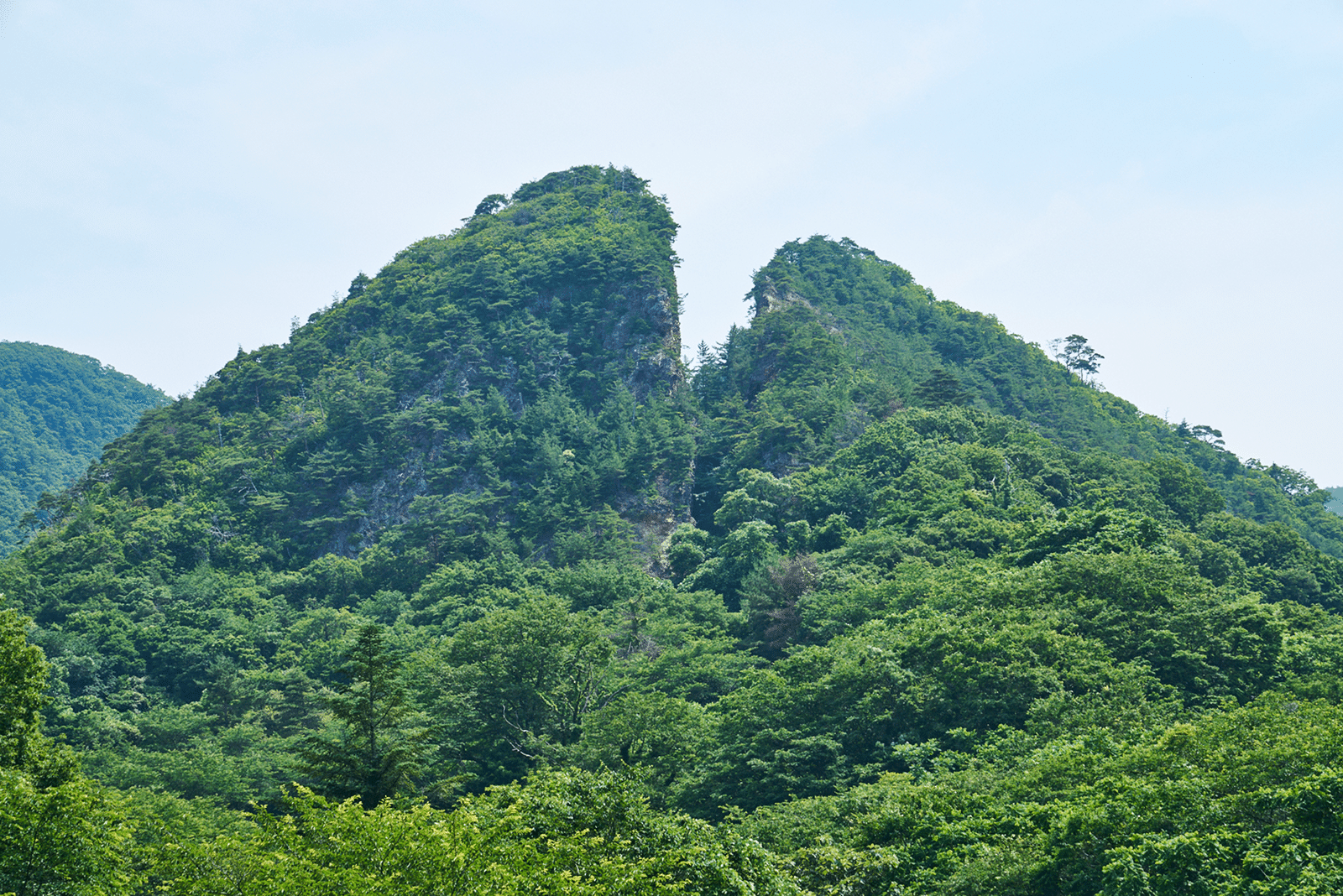
The distinctive character of Mumyoi Ware results from the unique geology of Sado Island and its history of gold and silver mining.
Artisans mine red Mumyoi clay at the foot of the Sado Gold Mine, mix it with clay-rich soil, and dry it for over six months. They then pass the mixture through a coarse sieve, add water, and use water sedimentation to remove impurities and increase purity. Further sifting through finer screens selects only the finest particles, producing high-density clay that shrinks by about 30% during firing. This process gives Mumyoi ware its characteristic strength and lustrous sheen.
The ware is also known for its substantial weight and the distinctive crimson patina that develops with use over time.
AppealSustainable Aesthetics And Ultimate Functional Beauty Nurtured By The "Island Of Wealth"
Mumyoi Ware is a pottery tradition with a history of over 200 years on Sado Island, Niigata. It began in 1819, when Ito Jinpei used Mumyoi clay from local mines to make raku. In 1857, Ito Tomitaro established the foundation of the craft by introducing high-temperature firing (honyaki). During the Meiji period, artisans such as Miura Jozan and Ito Sekisui improved the quality and developed durable ceramics fired at high temperatures, drawing inspiration from China’s Yixing ware. As a result, Mumyoi Ware became highly regarded as an art craft.
CraftsmanshipUnique Techniques That Draw Out Mumyoi Clay
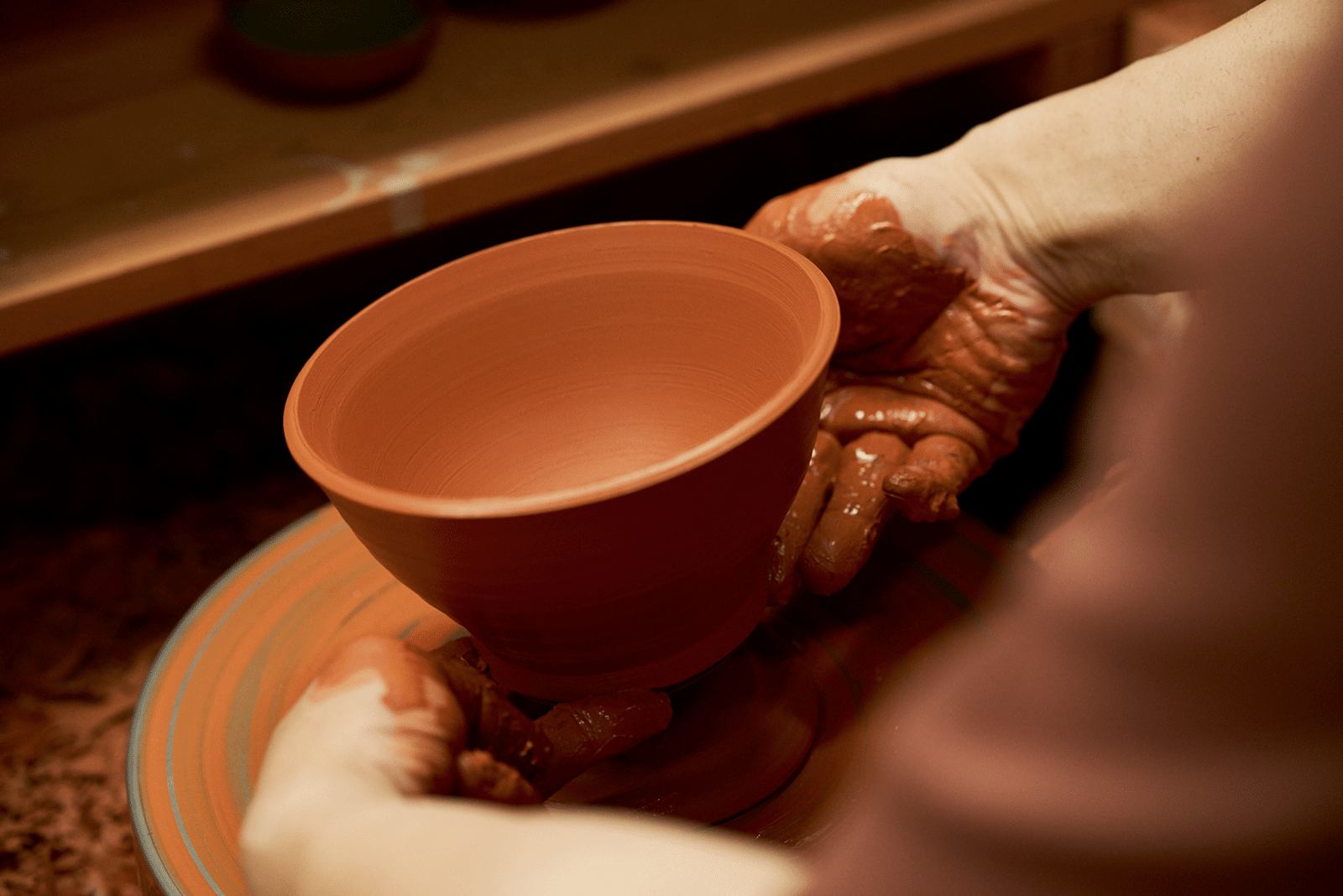
The quality of Mumyoi Ware results from a unique manufacturing process that enhances the properties of Mumyoi clay and reflects the distinctive artistry of each kiln's master artisan.
Furthermore, firing at approximately 1,200°C results in exceptional durability and a calm, striking scarlet color.
VisionA New Frontier as Sustainable Luxury
Mumyoi Ware is expanding into the global market by leveraging its rare raw materials and unique techniques. It offers beauty that develops over time, with a luster that increases with use, appealing to consumers with discerning, affluent tastes and to cultural enthusiasts abroad as a form of sustainable luxury. In addition, it aims to establish brand credibility and longevity as a contemporary craft.

Achievements
- Achievements of Sekisui Ito V, Leading Master of Mumyoi Ware
- ・Designated as a Holder of Important Intangible Cultural Property (Living National Treasure) for his mastery of Mumyoi Ware (2003).
- ・Received the Takamatsunomiya Memorial Award at the Japan Traditional Crafts Exhibition (1997).
- ・Received the Japan Kogei Association Encouragement Award at the Japan Traditional Crafts Exhibition (1980).


Recommended byKitamae Bune Organization for Japan Regional Exchange
-
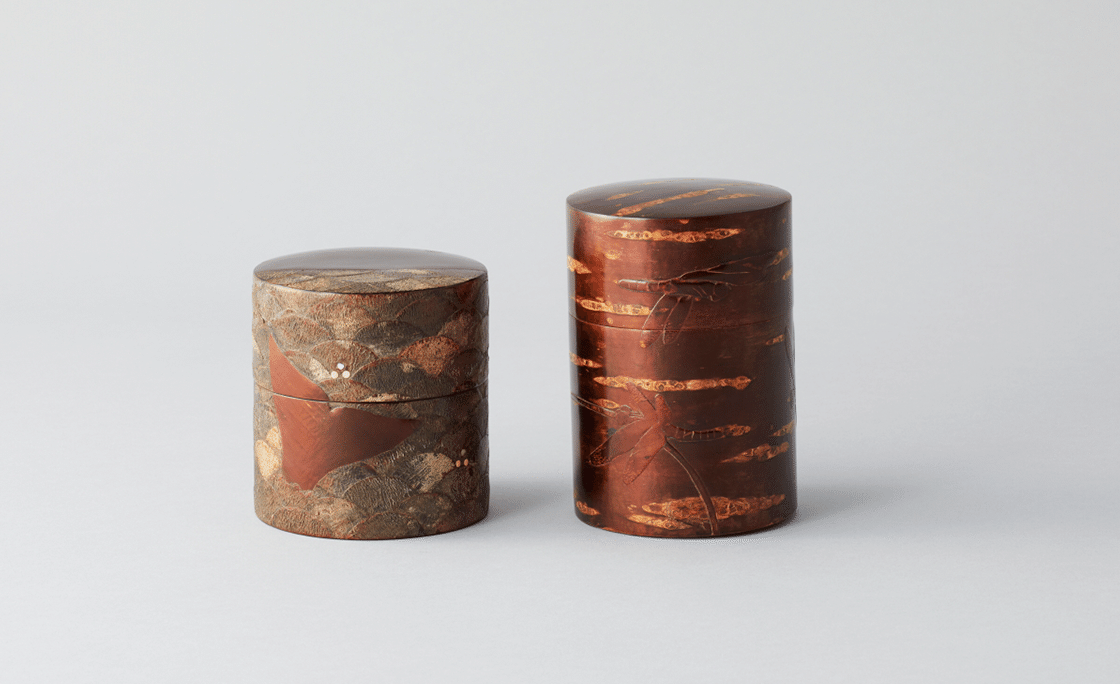
Kaba Zaiku Bark Craft
Akita
Business Contact:Kitamae Bune Organization for Japan Regional Exchange
-
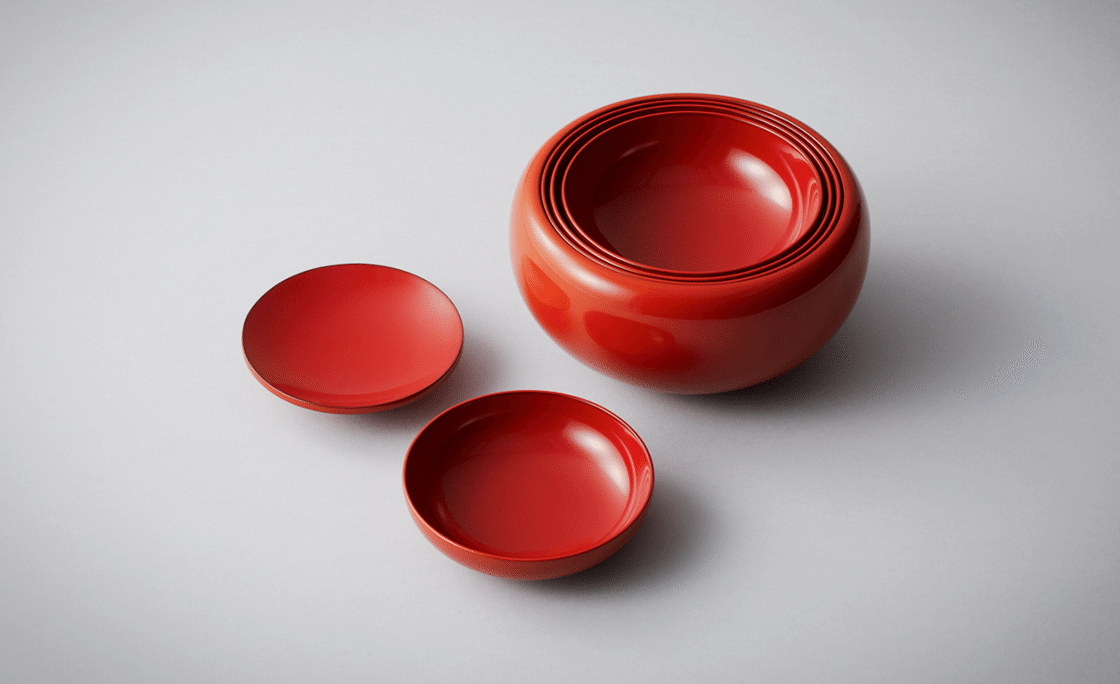
Wajima Nuri Lacquerware
Ishikawa
Business Contact:Kitamae Bune Organization for Japan Regional Exchange
-
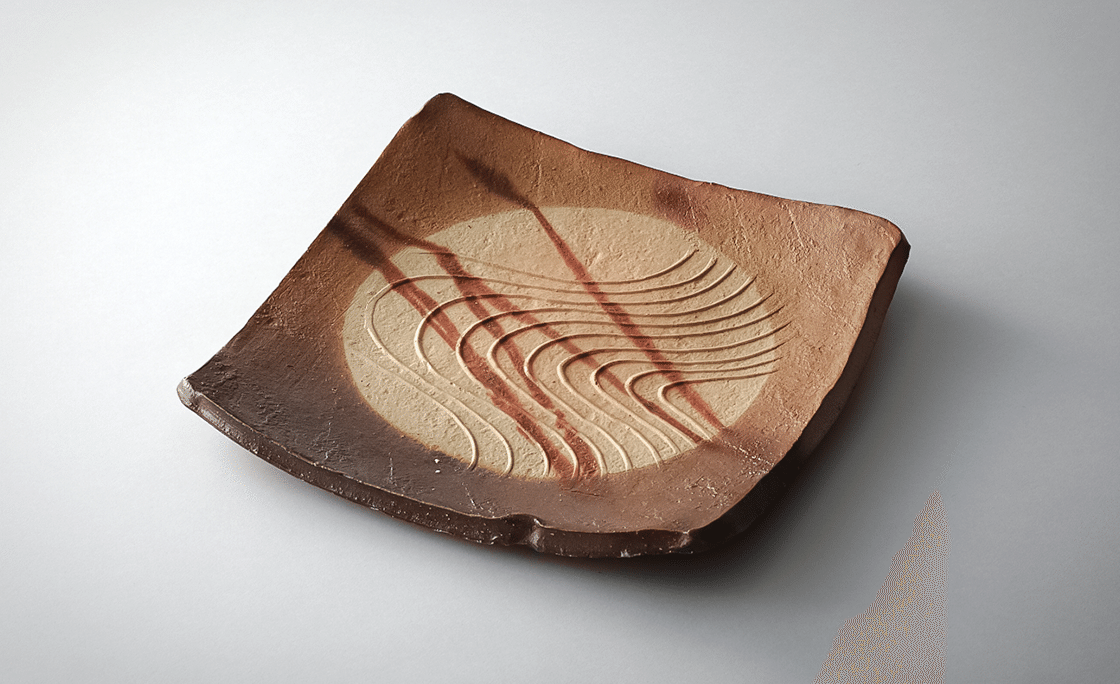
Bizen Ware
Okayama
Business Contact:Kitamae Bune Organization for Japan Regional Exchange