


Movie“JAPAN SUI COLLECTION” Introduction video “Kutani Ware”

Tradition and Innovation in Kutani Gosai
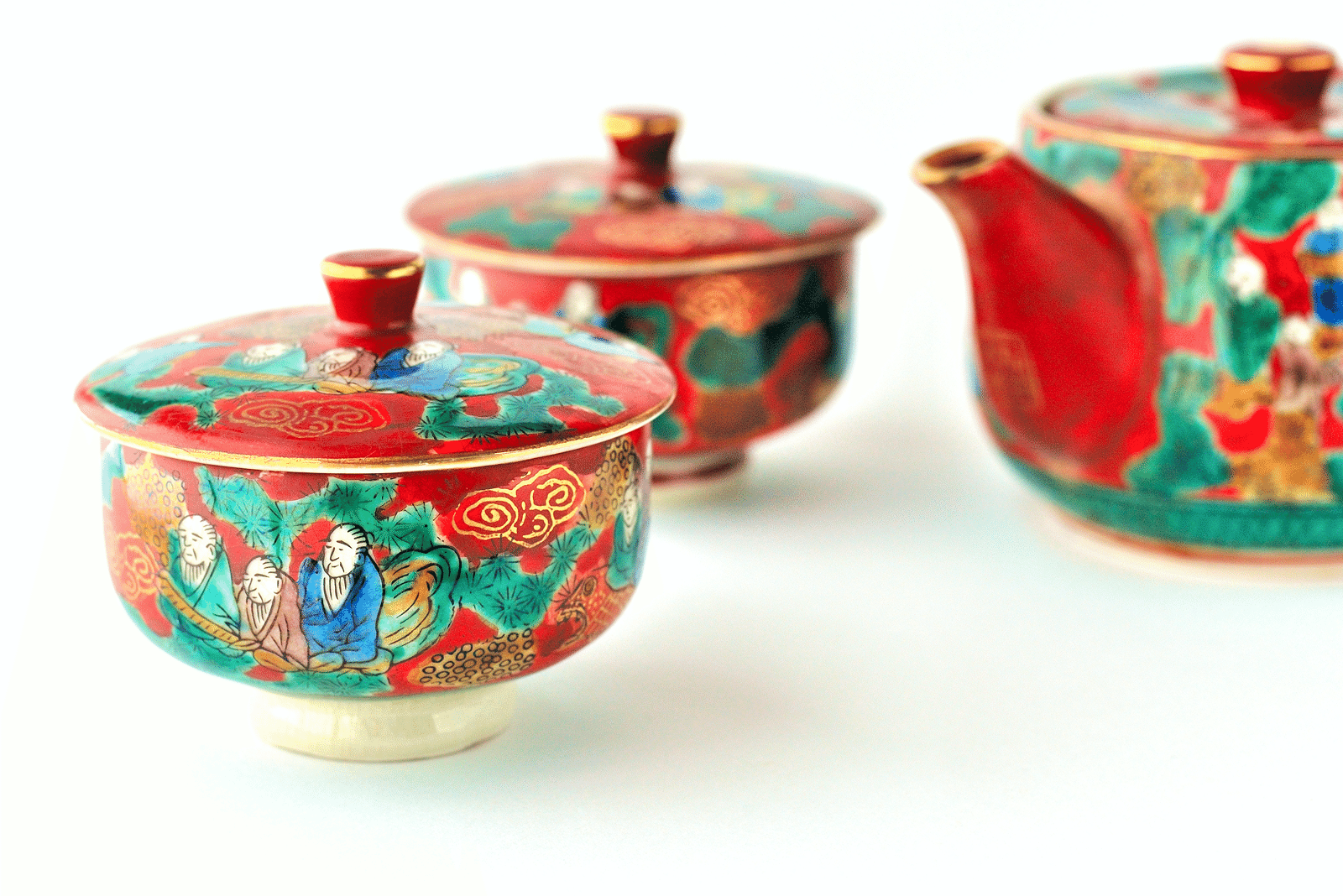
Kutani Ware is overglaze-enameled porcelain from Ishikawa, known for vivid colors and detailed painting. It is especially recognized for its five signature colors, called Kutani Gosai (green, yellow, purple, red, and Prussian blue), which are applied in thick, raised layers for a strong visual effect. Designs include figures, flowers and birds, landscapes, and auspicious motifs, with each piece reflecting rich artistic expression.
The craft includes several styles, such as Ko-Kutani, Yoshidaya, Iidaya, Mokubei, and Shoza, each with distinct coloration and brushwork. The white, smooth porcelain body has a satisfying weight, valued for both decoration and practical use. While respecting tradition, Kutani ware also incorporates contemporary design, and is highly regarded in Japan and internationally as Japan's leading overglaze-enameled porcelain.
HistoryBorn in Kaga
Kutani Ware originated in the 17th century, when the Kaga domain sent potter Saijiro Goto to study in Arita, Hizen (now Saga), a major porcelain production center. After his return, production began in Kutani village, now part of Kaga City, Ishikawa. This led to the creation of "Ko-Kutani" (old Kutani), known for its painterly and bold coloring. The Ko-Kutani kilns stopped operating after a short period but were revived in the late Edo period under Kaga domain patronage, with production expanding across southern Ishikawa, including present-day Kaga, Komatsu, and Nomi. Closely linked to the refined culture of the wealthy Kaga domain, Kutani Ware became known for its vivid overglaze enameling and luxurious designs. Shaped by Ishikawa's history and aesthetic values, Kutani Ware has become a traditional craft highly regarded in Japan and abroad, a legacy that continues today.
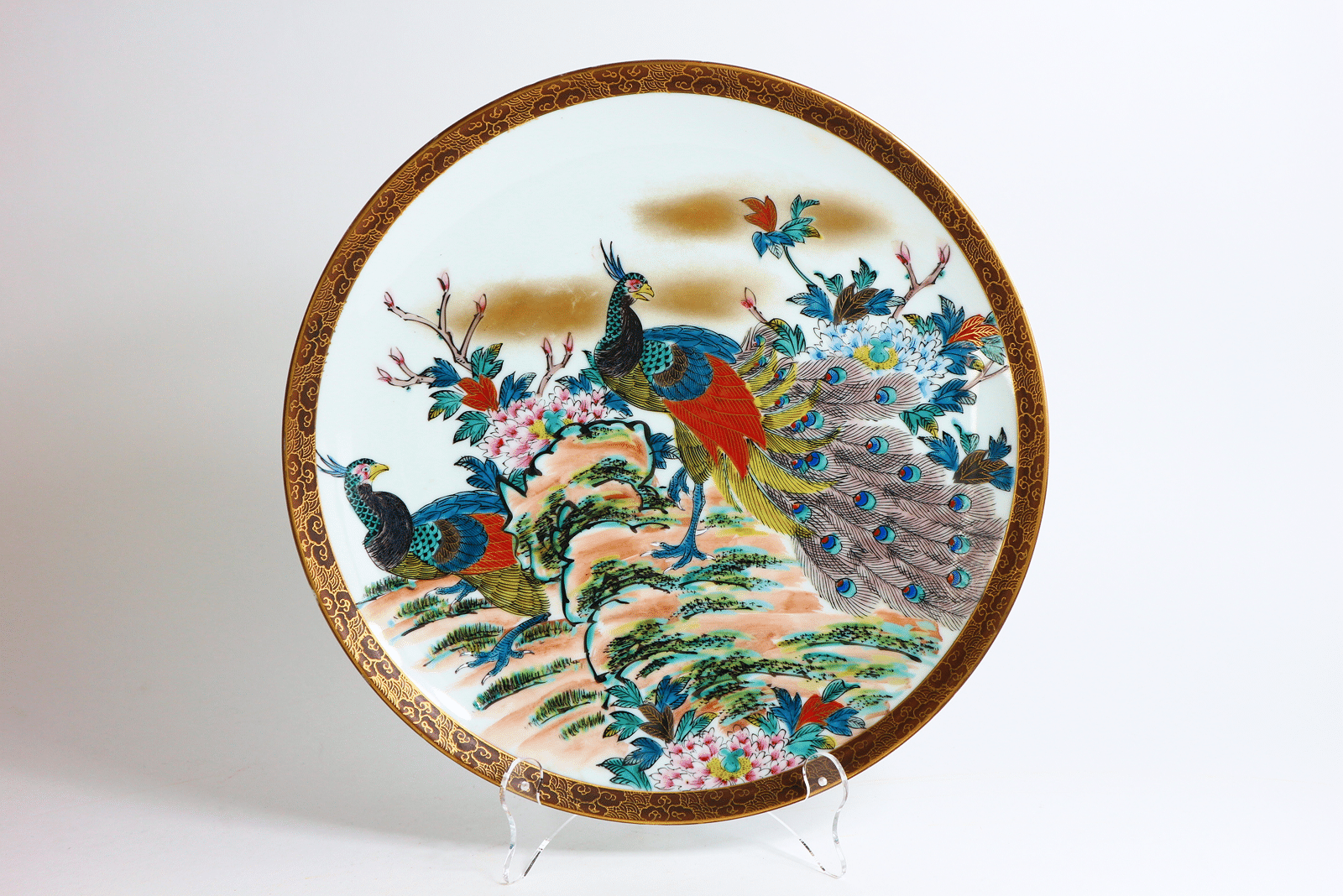
OriginKutani Ware: Rooted in the History and Climate of the Kaga Domain

Kutani Ware developed in close connection with the natural environment and culture of Ishikawa. Southern Ishikawa had high-quality porcelain stone and natural conditions suitable for porcelain production. The region’s long winters and humid climate supported the detailed indoor work of overglaze painting, creating conditions for intricate, layered decoration. In addition, the Kaga domain’s cultural policies promoted tea ceremony, arts, and crafts, encouraging a refined aesthetic that supported the technical skill of its artisans. These natural resources, climate, and cultural factors shaped Kutani Ware’s vivid colors and strong expressiveness, establishing it as a traditional craft that reflects the essence of Ishikawa’s natural environment.
AppealThe Appeal of Kutani Ware
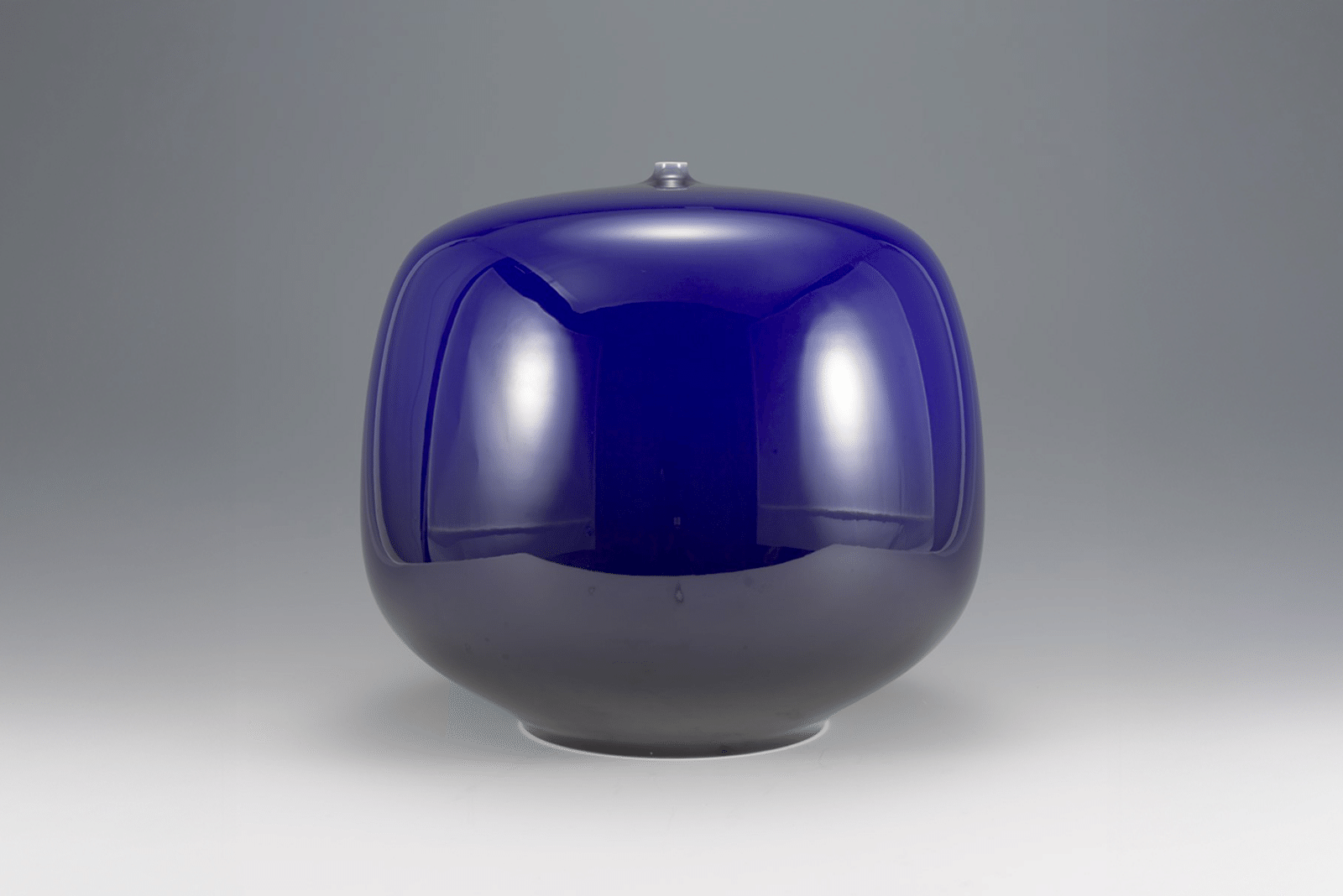
The appeal of Kutani Ware is rooted in its vivid, powerful color expression, especially the Kutani Gosai (the five colors of Kutani): green, yellow, purple, red, and Prussian blue. Its uniquely thick application creates a distinctive presence not found in other ceramics. Various motifs, such as figures, flowers, birds, landscapes, and auspicious patterns, decorate the surfaces, giving each piece strong visual appeal. Each style, including Ko-Kutani, Yoshidaya, and Shozo, has a distinct character, providing collectors with a wide range of aesthetic options. In recent years, contemporary artistic designs that respect traditional techniques have become more common, allowing classical and modern aesthetics to coexist. With its vibrant colors and expressive qualities, Kutani ware represents Japanese porcelain at its finest and is valued both as tableware and as art.
CraftsmanshipThe Philosophy of Kutani Ware
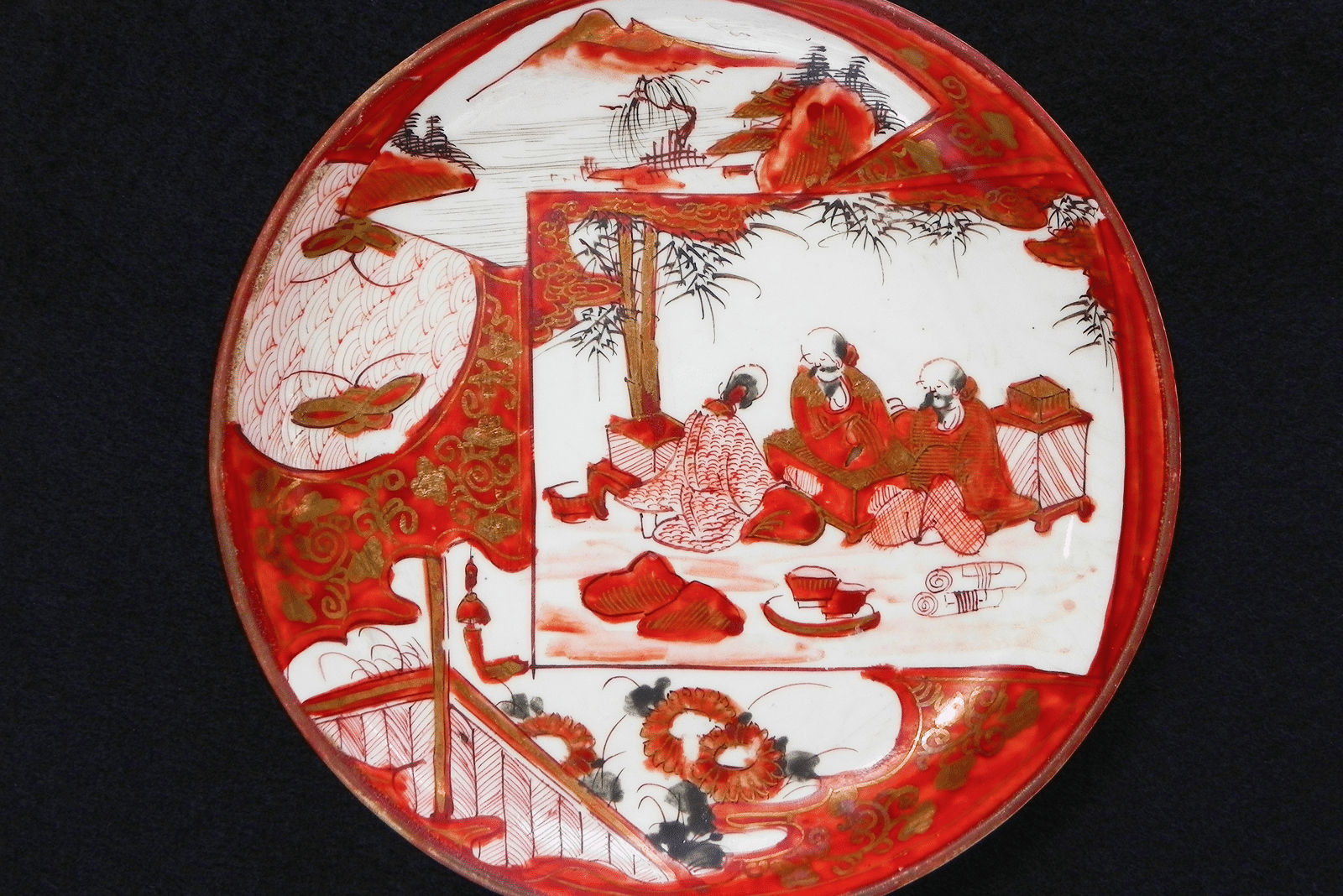
The originality of Kutani Ware lies in its focus on painting images on porcelain, rather than simply producing tableware. The bold colors and thick overglaze decoration give Kutani Ware expressive power that elevates it from functional objects to works of art suitable for display. This approach reflects a philosophy of combining luxury and precision, shaped by the refined aesthetic culture of the Kaga domain. Although Kutani Ware has developed through various stylistic lineages, it has consistently valued creative freedom. There are no strict rules for patterns, colors, or compositions, allowing artisans to express their individuality. This balance between tradition and innovation defines the essence of Kutani Ware.
VisionThe Potential of Kutani Ware
Kutani Ware has strong potential for international expansion because of its visual appeal and artistic qualities. Its vivid colors and painterly expressions contrast with Western designs that often favor minimalism, creating synergy with contemporary art and interior design. Unique pieces and limited editions by individual artists often increase in value in overseas collector markets. Opportunities for development are expanding, including collaborations with anime, subculture, and high-end tableware lines. By integrating contemporary design while respecting traditional techniques, Kutani Ware can further strengthen its presence in the global market as a brand.

Achievements
Yasokichi Tokuda III was designated as a Holder of Important Intangible Cultural Property (Living National Treasure) in 1997 for his mastery of the saiyu glaze technique.


Recommended byShibunkaku Co., Ltd.
-
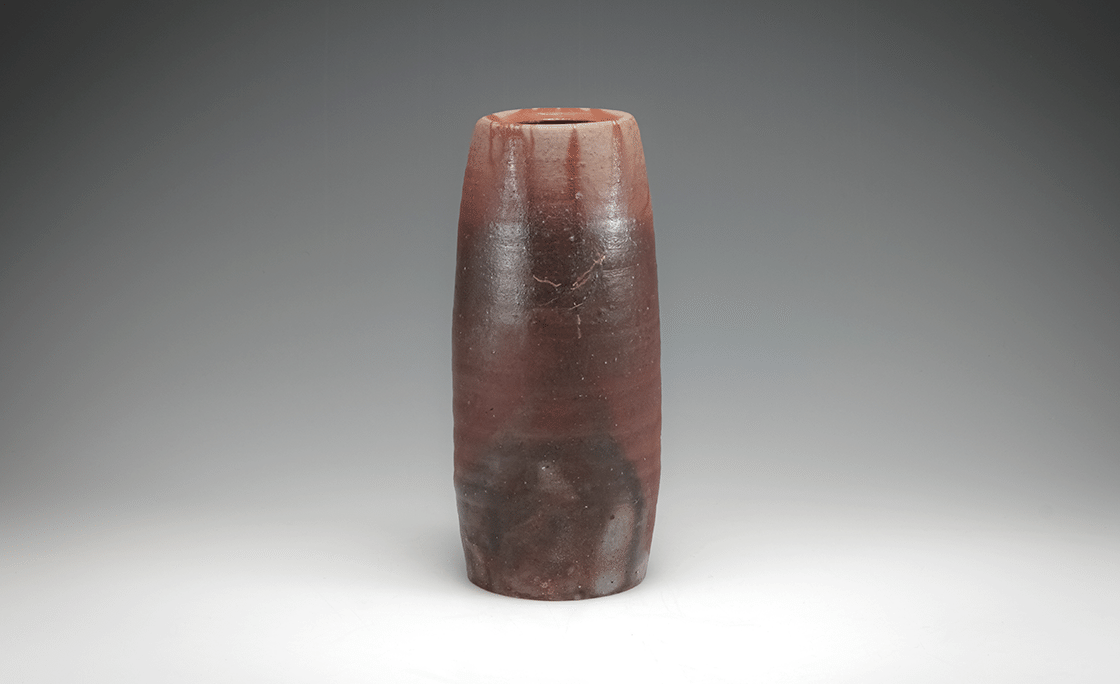
Bizen Ware
Okayama
Business Contact:Shibunkaku Co., Ltd.
-
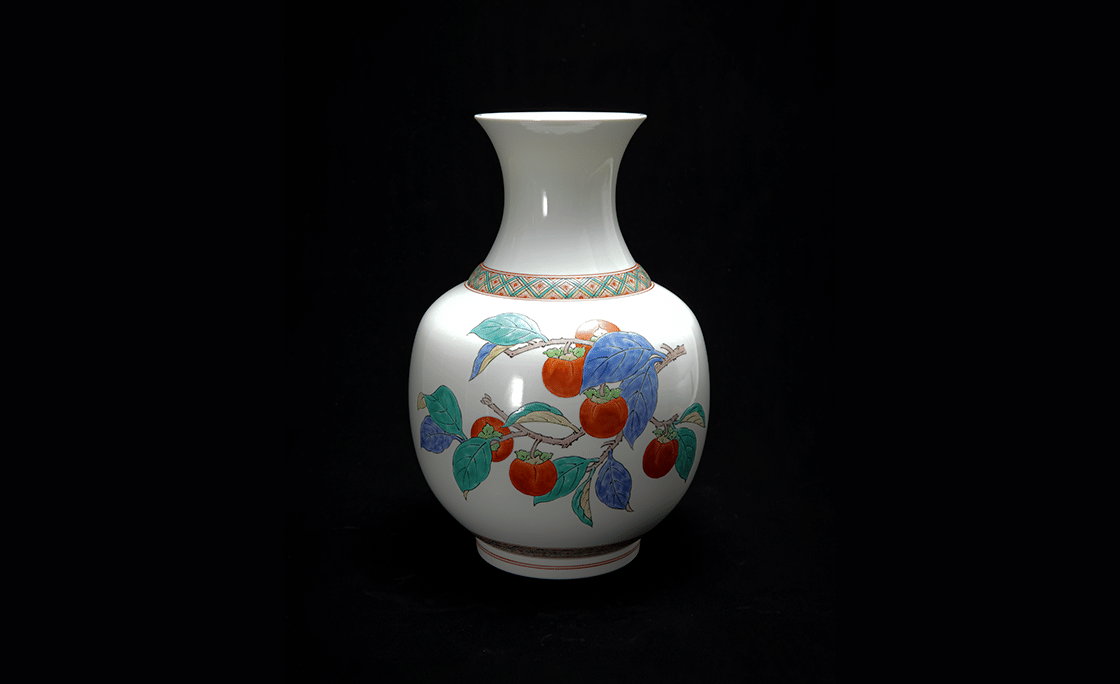
Arita Ware
Saga
Business Contact:Shibunkaku Co., Ltd.